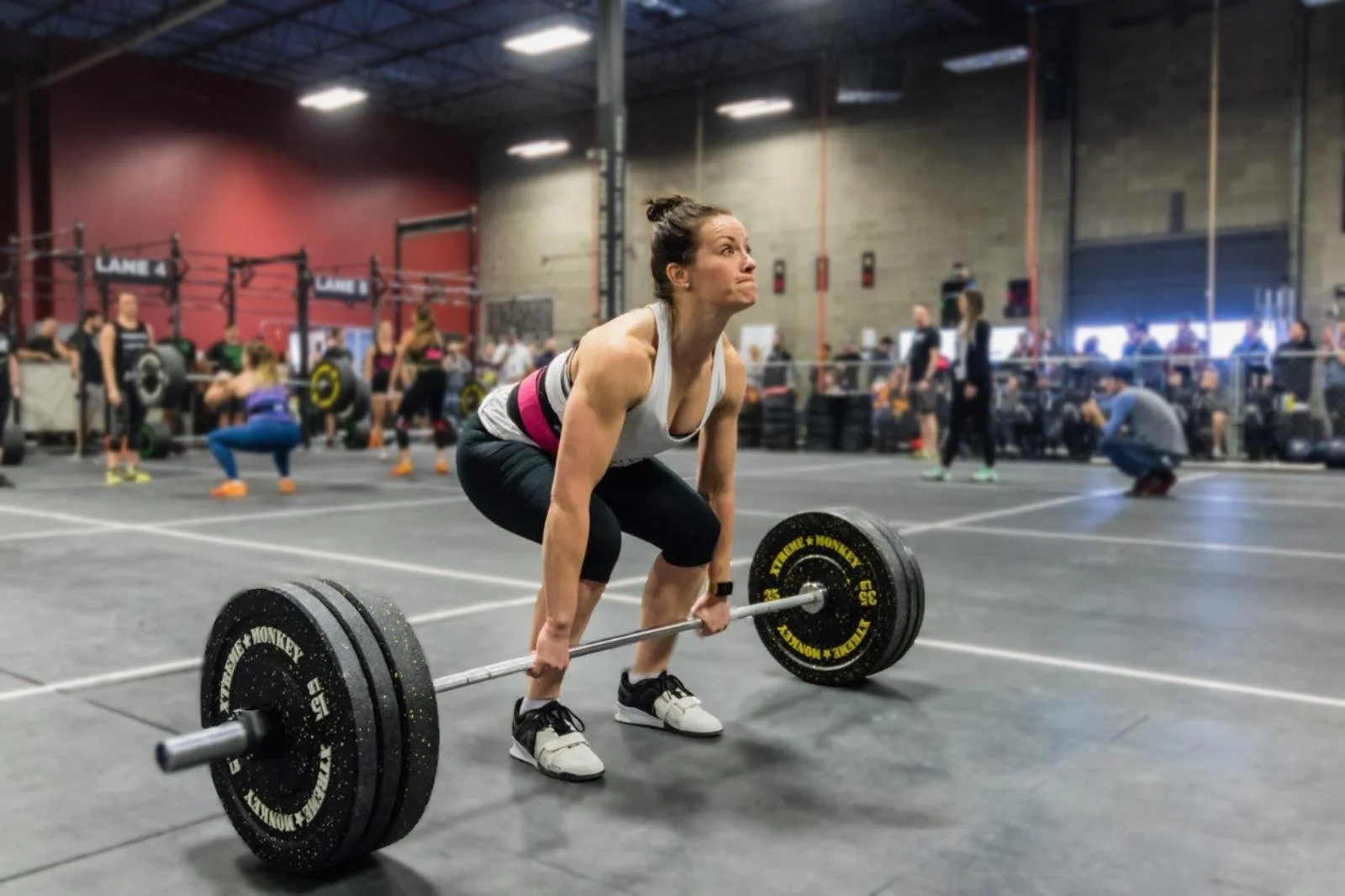
When the Gym Was the Only Thing That Held Me Together: Exercise, Anxiety, and Finding My Way Through Grief
We’re honoured to share this guest post from one of our founding CFCL members, Leanne DeLong.
Leanne has been part of our community since the very beginning, and in this piece, she shares a deeply personal reflection on grief, anxiety, and the role the gym played during one of the hardest seasons of her life. Alongside being a long-time CFCL member, Leanne is a Canadian Certified Counsellor and Registered Psychotherapist (Qualifying), and her perspective weaves together lived experience, professional insight, and a powerful reminder of how movement, community, and consistency can hold us when life feels unsteady.
---

There's a particular kind of panic that comes with grief. The kind that makes you want to jump out of your skin if you don't move your body for two days. The kind where your three-year-old is suddenly not with you half the time, and the couch becomes both refuge and prison. In 2016, that's where I found myself—navigating a separation that felt like the ground had opened up beneath me.
I had started CrossFit in 2010, where I eventually met a coach named Jason. He was one of those rare people who could see what you were capable of before you saw it yourself. He rooted for me. He pushed me. He believed in me. But it wasn't until 2016, when life became unbearable, that the true gift of that gym and that coach revealed itself.
The Year Everything Changed
The separation wasn't just about two adults going their separate ways. There was a child involved—my three-year-old son—and suddenly custody had to be arranged, schedules had to be negotiated, and basic cooperation became the daily challenge.
The anxiety was relentless. The grief was suffocating. I would sit eating ice cream on the couch in sadness of not being with my son fulltime, of navigating impossible conversations, of feeling like my pain was too much for me and the people around me—it was all-consuming, and I felt alone.
When You Can't Escape Your Own Nervous System
What was happening in my body wasn't just emotional—it was profoundly physiological. Research shows that both anxiety and grief create significant dysregulation in the autonomic nervous system. When we're anxious, our sympathetic nervous system—the part that controls our "fight or flight" response—gets stuck in the "on" position. Stress hormones like cortisol and adrenaline flood the body, heart rate elevates, and we exist in a state of constant vigilance.
Depression and grief, meanwhile, can push us into the opposite extreme. The parasympathetic nervous system, which is meant to calm us down, can become overactive, leaving us shut down, frozen, unable to access energy or motivation. Or worse, both systems can be activated at once, creating an exhausting cycle of revving up and crashing down.
In 2016, I lived in that cycle. I needed something—anything—that could help me discharge the overwhelming sympathetic charge when the anxiety spiked, and create some activation when the depression pulled me under. I found it at the gym.
The Gym as Lifeline: Not a Choice, But a Need
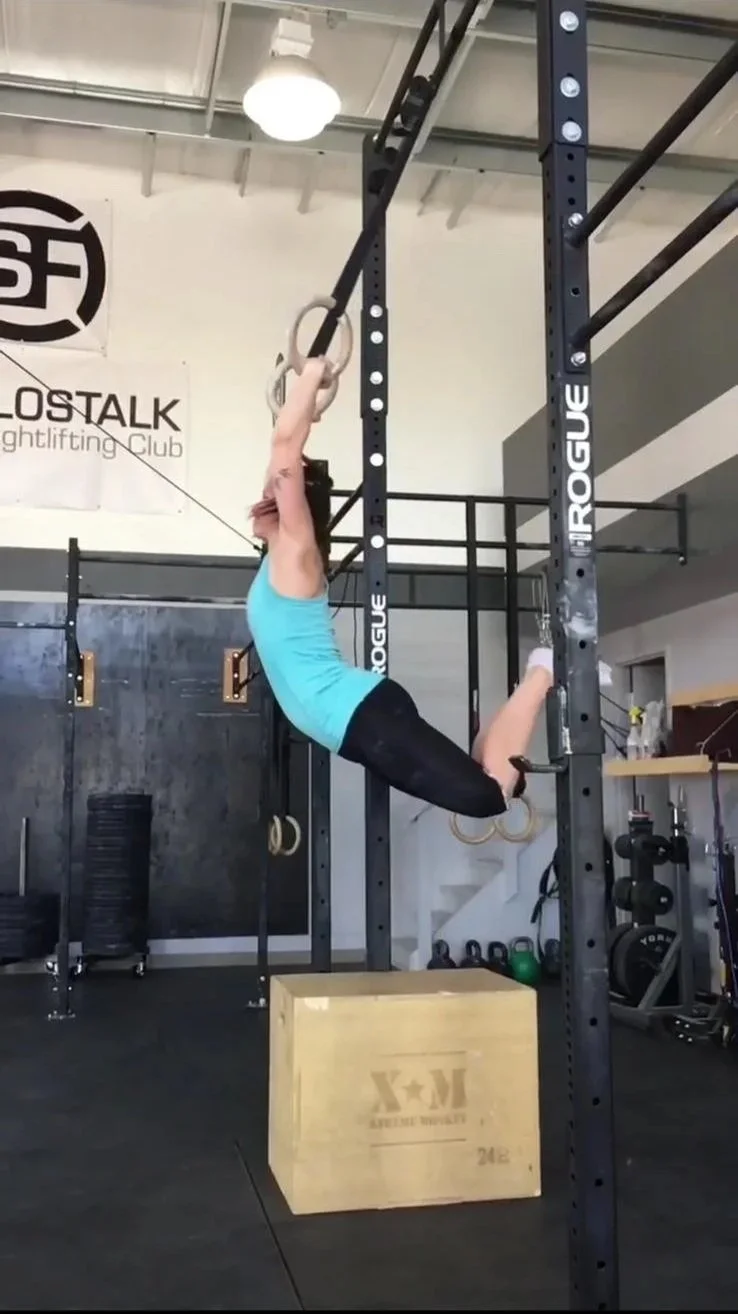
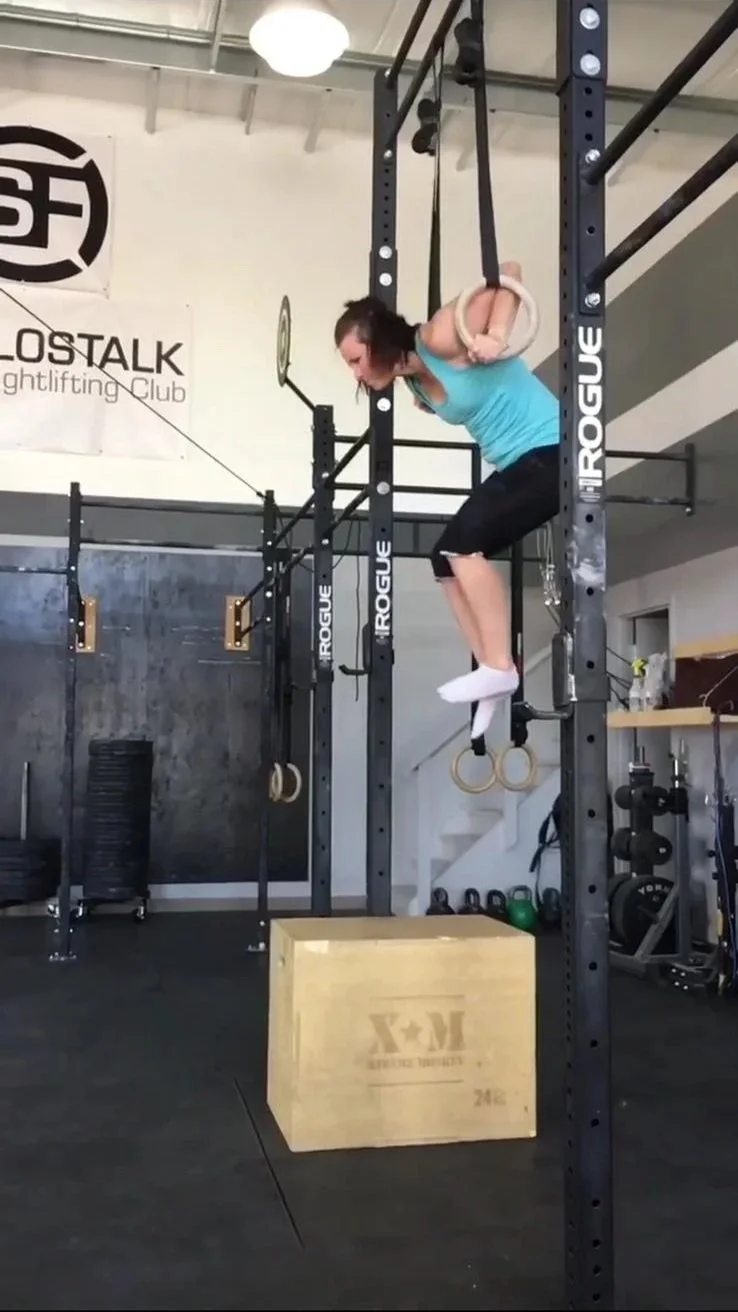
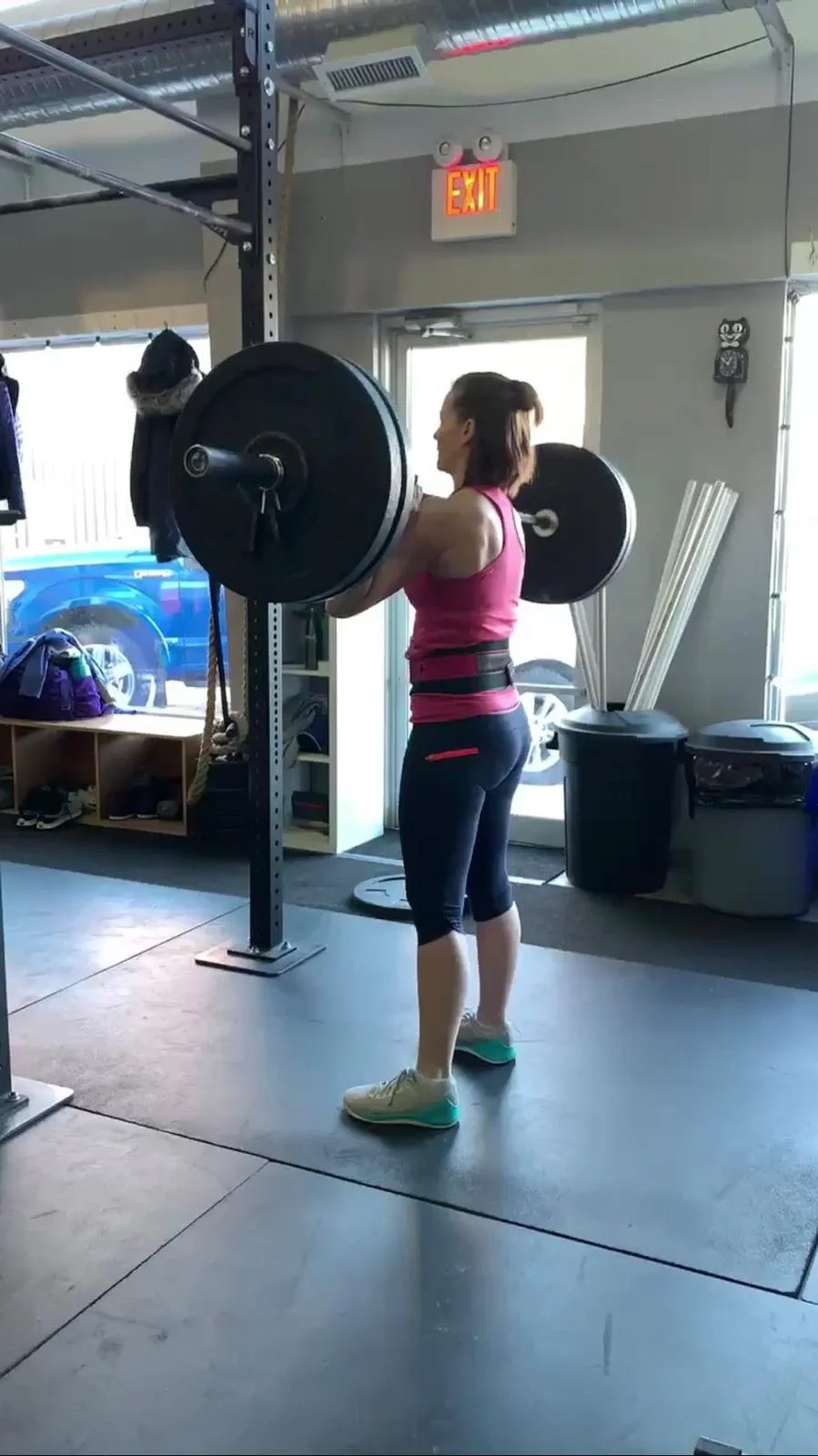
During those darkest months, the gym wasn't optional. It was survival. If two days went by without working out, by the third day, the urge to crawl out of my skin was unbearable. Sometimes I worked out twice a day, not to hit fitness goals, although there were definitely those, to keep me on track, but to find a temporary reprieve from the intensity of what I was experiencing.
Sometimes the grief and anxiety would break through at the gym itself. Sometimes I felt like my pain was too much, that I was burdening the people around me with the weight of what I carried. But no matter how I felt, no matter what was happening in my heart, I could count on one thing: a full hour of relief.
The science backs this up. Exercise fundamentally alters our neurochemistry in ways that directly address anxiety and grief. Research demonstrates that aerobic exercise increases serotonin and norepinephrine in the brain—the same neurotransmitters that antidepressant medications target. Physical activity reduces cortisol levels, releases endorphins (natural mood enhancers), and provides what's called "anxiety sensitivity reduction." When we exercise, we experience many of the same physical sensations that trigger anxiety—elevated heart rate, rapid breathing—but in a safe context. Over time, this teaches our nervous system that these sensations aren't dangerous.
For people experiencing grief, exercise offers multiple pathways to healing. A 2021 systematic review found that physical activity can significantly reduce depression, anxiety, and post-traumatic stress symptoms in bereaved individuals. Activities like walking, running, yoga, and even martial arts provided participants with a sense of freedom, a way to express emotions, a distraction from overwhelming feelings, and an escape from the intensity of grief.
I found all of that at the gym. And, I found Jason, who continued to show up for me. I found structure in a time when everything felt chaotic. I found a place where the only thing that mattered was the next rep, the next round, the next breath.
The Journey From Need to Choice
But here's what's important about this story: it didn't stay that way forever.
Over time, I did other work. I found other tools. I explored my anxiety, understanding its roots and how to manage it. I learned to sit with my depression, to be in connection with others around my grief in ways that felt contained and intentional rather than overwhelming. I did self-exploration, healing work, learning to hold my pain without letting it consume me or spill onto the people around me.
Around the same time I was beginning this journey of self-discovery, Jason started his own gym. I followed him there, and slowly, my relationship with exercise began to shift. Life events interrupted sometimes—COVID forced breaks, intense work periods demanded all my energy—but something fundamental had changed. The gym was no longer a desperate need. It had become a choice.
What Anxiety Counselling Taught Me About the Body
In my work as a therapist offering anxiety counselling in Saskatoon, I see this pattern often. People come to therapy believing their struggles are purely mental or emotional, when in fact, their nervous system is dysregulated and their body is holding onto trauma and stress in ways they don't fully understand. Exercise isn't just a complementary tool to therapy—for some people, it's the thing that makes therapy possible. When your sympathetic nervous system is constantly activated, it's hard to access the reflective, present state needed for therapeutic work. Exercise can create that window.
The research on this is clear and compelling. Studies show that resistance training, specifically, can reduce anxiety symptoms in young adults by creating feelings of mastery and accomplishment as strength progressively increases. Both aerobic exercise and resistance training show significant anxiety-reducing effects across various populations. The mechanisms are multifaceted: cellular and molecular changes, systemic immune effects, and behavioral and cognitive pathways all contribute to exercise's anxiolytic (anxiety-reducing) properties.
For depression, the effects are even more pronounced. Meta-analyses show moderate to large effect sizes for exercise interventions in reducing depressive symptoms—effects comparable to those of medication and therapy. And critically, exercise can be particularly effective for people experiencing both anxiety and depression simultaneously, helping to rebalance a dysregulated autonomic nervous system.
Gratitude for the Gym That Held Me
Today, when I think about this journey, what gets invoked most strongly is gratitude. Gratitude for CrossFit as a modality that pushed me when I needed to be pushed. Gratitude for Jason, who saw me, who rooted for me, who created a space where I could show up exactly as I was—broken, grieving, anxious—and still be welcomed. And, who still checks in on me when I’m absent for awhile. Gratitude for the gym itself as a physical space, a container, a place that held me when I couldn't hold myself.
These days, the gym is my happy place. Most of the time I look forward to going, as a type of therapy. Sometimes I know it's going to be uncomfortable, that the workout will push me to edges I don't want to meet. But I still want to be there. That's the gift of having other tools now: the gym is a choice, and I'm so grateful it's a choice I get to make.

Why I'm Sharing This: It's Okay to Need the Gym
The reason I wanted to write about this experience is simple: I suspect other people need the gym too, and I want them to know that's okay.
There's sometimes an unspoken hierarchy in wellness and mental health spaces where traditional therapy and medication are seen as the "real" interventions, and everything else is supplementary or less serious. But for many people dealing with anxiety, grief, trauma, or depression, exercise isn't supplementary—it's essential. It's the thing that allows them to function, to discharge the intense sympathetic charge in their body when anxiety threatens to overwhelm them, to create some activation and energy when depression has them shut down.
If you're someone who feels like they *need* the gym, like going for a run or hitting a workout class isn't optional but necessary for your mental health, you're not alone. And you're not doing it wrong. You're listening to your body, which is exactly what you should be doing.
The science tells us that exercise works. It changes our brain chemistry, regulates our nervous system, reduces inflammation, improves sleep, creates structure, builds self-efficacy, and provides social connection. Those are real, measurable, significant benefits. If the gym is in your toolbox as a way to manage anxiety and grief, keep it there. Honor it. Be grateful for it. And if not and you are interested in meeting Jason and the amazing community he has developed, visit him at Crossfit 150 https://crossfitcl.com/
And if you're struggling with anxiety or grief in Saskatoon and you're wondering if counselling might help you develop additional tools alongside your exercise practice, I'd encourage you to reach out. Having a therapist who understands the body's role in mental health, who can help you work with your nervous system rather than against it, can be transformative.
The gym held me when I was falling apart. Jason believed in me when I couldn't believe in myself. That gym, that space, that community—it was the one constant I could count on. I'll be forever grateful for that. And I hope anyone reading this who needs the gym the way I needed it knows: you're not broken. You're just human, doing the best you can with the tools you have. And sometimes, the best tool is the one that helps you move your body, discharge your pain, and find an hour of relief.
---
If you're interested in learning more about how anxiety counselling in Saskatoon can support your healing journey, Leanne Delong offers therapy that integrates body-based approaches like Somatic Experiencing, EMDR, and IFS Internal Family Systems. Understanding how your nervous system works and developing tools to work with it—alongside whatever other practices serve you, including exercise—can make all the difference. Visit her at Authentic Heart Counselling ahcounsellingsaskatoon.ca